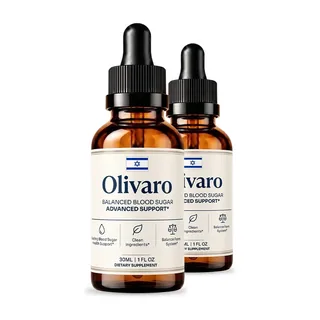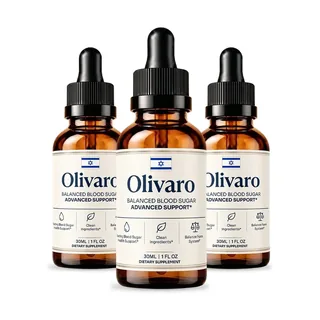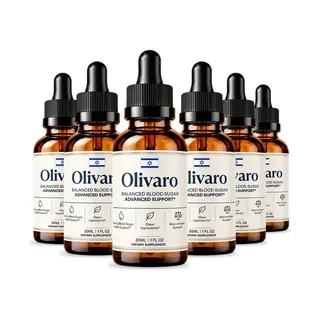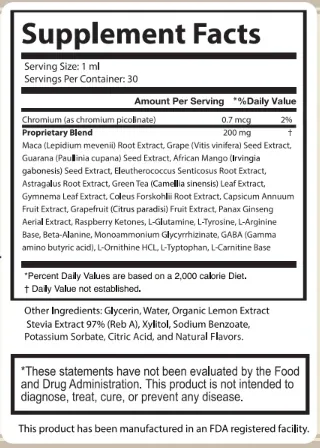
Olivaro Drops list monoammonium glycyrrhizinate, a compound from licorice, as the 18th of 22 ingredients in a 200 mg proprietary blend. Olivaro Drops are a liquid dietary supplement taken by dropper, and the label does not print how much of this licorice glycyrrhizinate a serving holds. This page sets out what the label shows, what NCCIH says about glycyrrhizin, and who should speak with a pharmacist before a first dropper.
Do Olivaro Drops contain licorice?
Yes, Olivaro Drops list monoammonium glycyrrhizinate, which is a compound derived from licorice root rather than whole licorice. It sits at position 18 in the proprietary blend, between beta-alanine and GABA.
No licorice root extract as such is printed, and the word “licorice” does not appear on the label. The ingredient name is the only clue. Glycyrrhizinate is a form of glycyrrhizin, the licorice compound that official cautions focus on, so the NCCIH notes on licorice root are the closest guide our source library has. They concern licorice in general, not Olivaro Drops.
You can see where the compound sits among the other 21 items on our ingredients page.
How much glycyrrhizinate is in a serving of Olivaro Drops?
The amount is unknown, because the label prints only the 200 mg total of the blend. Its position gives a ceiling of 11.1 mg per 1 ml serving (our arithmetic, 200 ÷ 18), and the true amount may be far lower.
FDA rules let a proprietary blend print a total weight and list its ingredients in descending order of weight, without each ingredient's amount.1 That is why a ceiling is the most anyone outside the maker can work out. Even that ceiling is for the compound as listed. We cannot say how much glycyrrhizin it supplies, and we cannot compare it with any amount studied in research.
| What the label shows | What it means | What stays unknown |
|---|---|---|
| “Monoammonium Glycyrrhizinate” in the blend | A licorice compound is present | Its exact weight |
| Position 18 of 22 | At most 11.1 mg per serving (our arithmetic) | Whether it is near that ceiling or far below |
| Blend total 200 mg per 1 ml | Shared by all 22 ingredients | How the weight is split |
| “Take 1 or 2 droppers full daily” | Up to two droppers a day | Dropper volume, so the daily total |
Our proprietary blend page explains the ceiling method, and the droppers page covers why the daily total depends on a volume the label does not print.
What does NCCIH say about glycyrrhizin?
NCCIH says glycyrrhizin, the compound in licorice root, can cause serious effects, including irregular heartbeat and cardiac arrest, when taken in large amounts or over a long time.2 That warning is about licorice and glycyrrhizin in general.
It does not tell us whether a serving of Olivaro Drops comes anywhere near those amounts, because the amount is not printed. We cannot call the compound safe or unsafe in this product. What we can do is pass on who NCCIH says is at higher risk, so you know whether to raise it.
NCCIH also advises asking a provider before using licorice if you take any medicine.2 That advice is simple, and it fits this product well.
Who is at higher risk from licorice compounds?
NCCIH names people with high blood pressure, heart conditions or kidney conditions, and people with a high salt intake, as being at higher risk from glycyrrhizin.2 If any of these describes you, speak with a pharmacist or doctor before using Olivaro Drops.
- High blood pressure, whether or not it is treated
- A heart condition, including a heart rhythm problem
- A kidney condition
- A diet high in salt
- Pregnancy: NCCIH says large amounts of licorice are unsafe in pregnancy2
- Use of corticosteroid medicines: NCCIH reports interactions2
The label adds its own caution: pregnant or nursing mothers, children under 18 and anyone with a known medical condition should consult a physician before using this or any dietary supplement. Those two sets of advice point the same way.
How can you check your own situation before using Olivaro Drops?
The check-first screener lets you tick the medicines or conditions that apply to you and returns ingredient-specific questions to take to a pharmacist. It is not medical advice and makes no decision for you; it simply helps you ask about the licorice compound and the other blend items in one visit.
Tick whatever applies, including conditions you have under control with medicine. The questions it produces are short enough to read at the counter.
Tool · Check first
Check-first screener
Tick anything that applies. You get the ingredient-specific questions to take to your doctor or pharmacist with the bottle. It starts a conversation; it is not medical advice.
Nothing ticked yet. If none apply, still read the label and do not take more than 2 droppers a day.
If the screener raises a licorice question, bring the bottle or a full label photo with you. A pharmacist can read the ingredient name directly, which avoids any confusion between licorice root and its compounds.
Does the licorice compound interact with medicines?
NCCIH reports interactions between licorice and corticosteroids and advises anyone taking a medicine to ask a provider first.2 Because the amount in Olivaro Drops is unknown, only a pharmacist who sees your full medicine list can judge whether that matters for you.
NCCIH also notes more broadly that some medicine and supplement interactions can be serious, and that you should tell all your providers what you take.3 That includes the people who manage your blood pressure or heart care. Our medications page lists the interaction notes for the other ingredients too, such as green tea, ginseng and L-arginine.
If you have diabetes or prediabetes, your doctor comes first for any supplement. NCCIH notes that supplements can interact with diabetes medicines, and that replacing diabetes care with an unproven product is dangerous.4 Never change or stop a prescribed medicine to make room for a supplement. Our diabetes page explains this in more detail.
Why does a licorice compound appear in Olivaro Drops?
The label does not say why monoammonium glycyrrhizinate is included, and the seller's order page does not explain it either. We will not guess at a purpose.
Licorice compounds are sweet, and the label already lists stevia and xylitol as sweeteners among the other ingredients, but that is no proof of why this one was chosen. The seller markets the product with words about blood sugar and weight; FDA has not evaluated those words, and none of them tells us what the licorice compound is for.5 If the reason matters to you, ask the order desk in writing through the contacts on our customer service page.
Since xylitol came up: the label lists it, and FDA warns that xylitol is dangerous for dogs, so keep the bottle out of a pet's reach.6 The xylitol page has the storage steps.
How long have you been taking other licorice products?
NCCIH ties the serious effects of glycyrrhizin to large amounts or long use, so it helps to count every licorice source in your day, not just Olivaro Drops.2 Licorice can turn up in teas, candies, herbal blends and other supplements.
Look for “licorice”, “glycyrrhiza” or “glycyrrhizin” on other labels and add them to the list you show your pharmacist. Licorice teas and real licorice candy can count as sources, so read those labels as closely as you read this one. A full list gives the pharmacist a much better basis for an answer than a single bottle.
What should you tell your care team about Olivaro Drops?
Tell every clinician who looks after you that you are considering Olivaro Drops, and name the licorice compound by its printed name. A short written note works better than memory at an appointment.
- The product name, Olivaro Drops, and that it is a liquid taken by dropper
- The printed directions: 1 or 2 droppers full daily, dropper volume not stated
- “Monoammonium Glycyrrhizinate” at position 18 of a 200 mg blend, amount not printed
- Any other licorice sources you use, such as teas or candy
- Your blood pressure, heart and kidney history, and any corticosteroid use
Bring this to a heart, kidney or blood pressure appointment in particular. Those clinicians may want to weigh even a small, unknown amount against your readings and medicines, and they can only do that if they know it is there.
NCCIH's general advice is to tell all your providers about every supplement you take, since some medicine and supplement interactions can be serious.3 Writing it down once makes that easy to follow at every visit.
What is a calm next step on Olivaro Drops and licorice?
Use the screener, take the full label to a pharmacist, and ask specifically about monoammonium glycyrrhizinate if you have blood pressure, heart or kidney concerns. That single conversation answers most of what this page cannot.
If your pharmacist sees no conflict, the safety page brings all the ingredient cautions together, and you can look at the packs on the seller's order page when you are ready.
Questions people ask
Is the licorice in Olivaro Drops the same as licorice root?
Not exactly; Olivaro Drops list monoammonium glycyrrhizinate, a compound from licorice, not licorice root extract. NCCIH's licorice cautions focus on glycyrrhizin, which this compound is a form of.
Can I take Olivaro Drops if I have high blood pressure?
Ask your doctor or pharmacist first. NCCIH says people with high blood pressure are at higher risk from glycyrrhizin, and the amount in Olivaro Drops is not printed.
Do Olivaro Drops interact with corticosteroids?
We cannot say for this product, because the licorice compound's amount is unknown. NCCIH reports licorice interactions with corticosteroids, so tell your pharmacist before you start Olivaro Drops.
What is the most licorice compound a serving of Olivaro Drops could hold?
By our arithmetic, position 18 in a 200 mg blend allows at most 11.1 mg per serving of Olivaro Drops. That is a ceiling, not the amount, and the glycyrrhizin it supplies is unknown.
Is the licorice compound in Olivaro Drops a concern in pregnancy?
Speak with your doctor before using Olivaro Drops if you are pregnant or nursing. The label asks pregnant or nursing mothers to consult a physician, and NCCIH says large amounts of licorice are unsafe in pregnancy.
Sources for this page
- FDA: Dietary Supplement Labeling Guide, Chapter IV. Nutrition Labeling. www.fda.gov
- NCCIH: Licorice Root, Usefulness and Safety. www.nccih.nih.gov
- NCCIH: Some Medication-Supplement Interactions Can Be Serious. www.nccih.nih.gov
- NCCIH: Diabetes and Dietary Supplements. www.nccih.nih.gov
- FDA: Structure/Function Claims. www.fda.gov
- FDA: Paws Off Xylitol; It's Dangerous for Dogs. www.fda.gov
These statements have not been evaluated by the Food and Drug Administration. This product is not intended to diagnose, treat, cure, or prevent any disease. Safety: Olivaro Drops are a dietary supplement, not a medicine and not a diabetes treatment. The label says 1 or 2 droppers daily and do not exceed the recommended dose; pregnant or nursing mothers, anyone under 18 and anyone with a known medical condition should consult a physician first. The blend lists caffeine sources (guarana, green tea) with no caffeine amount, a licorice compound and grapefruit extract; chromium and ginseng may add to the effect of diabetes medicines. The label lists xylitol, which FDA says is dangerous for dogs. Ask your doctor or pharmacist first and never change prescribed treatment. Aolivaro is an independently run information site about Olivaro Drops; the owner states it is a USA authorized Olivaro retailer. It is not the maker. We may earn money when you order through links marked as sponsored. The seller sets prices, shipping and refund terms; we show them as listed when we checked, so confirm at the live checkout.