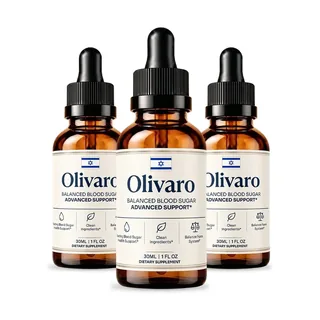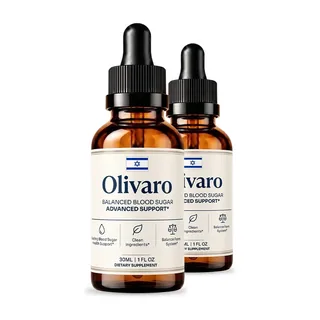
Olivaro Drops research does not exist as such: no study of the finished liquid is cited on the label, the seller's order page or the site owner's materials. Olivaro Drops are a liquid dietary supplement with chromium 0.7 mcg and a 200 mg proprietary blend of 22 ingredients per 1 ml serving, sold with label words about blood sugar that FDA has not evaluated. What does exist is official reporting on supplements in general and on some listed ingredients, and this page lays that out plainly, as information rather than as a reason to buy.
Is there any research on Olivaro Drops?
No study of Olivaro Drops as a finished product is cited anywhere we looked. The label names none, the seller's order page names none, and the site owner's materials name none.
That leaves two kinds of evidence to look at: what government health agencies say about supplements and blood sugar in general, and what they say about some ingredients on the label. Neither tells you what this liquid does, because neither tested it. If you have diabetes or prediabetes, the right first step is your doctor, not a research summary. Our diabetes page covers that conversation.
What does research say about supplements and blood sugar in general?
NCCIH, part of the National Institutes of Health, says evidence is weak or lacking for most supplements studied for diabetes. It describes the studies as mostly small and inconsistent.1
NCCIH also warns that replacing diabetes treatment with an unproven product is dangerous, that supplements can interact with diabetes medicines, and that you should discuss any supplement with your provider.1 That is the general backdrop for every product sold in this category, including this one. A product's marketing does not change it.
Can any supplement treat or cure diabetes, according to FDA?
No. FDA states that there are no dietary supplements that treat or cure diabetes, and that products sold as supplements promising to prevent, treat or cure diabetes are illegal.2
FDA adds that some products marketed this way have been found to contain hidden prescription drugs, that the diabetes drugs FDA has approved are prescription only, and that delaying real treatment is itself a risk.2 The Olivaro Drops label carries the standard statement that it is “not intended to diagnose, treat, cure, or prevent any disease.” Our is it legit page discusses how to read that alongside the seller's marketing.
What does research say about chromium, the one measured ingredient in Olivaro Drops?
NIH's Office of Dietary Supplements describes the evidence on chromium and blood sugar as inconsistent, with small effects of unclear clinical significance.3 It notes that the American Diabetes Association does not recommend chromium for glucose control.
According to the same fact sheet, FDA allows only a qualified claim that calls the link between chromium and insulin resistance or type 2 diabetes "highly uncertain".3 NIH also flags a practical caution: chromium may add to the glucose-lowering effect of insulin and other diabetes medicines, with a risk of low blood sugar, and chromium picolinate reduced levothyroxine absorption in a small study.
For scale, the Daily Value is 35 mcg and adult adequate intakes run from 20 to 35 mcg a day by age and sex.3 The label lists 0.7 mcg per 1 ml, 2% of the Daily Value. Those are plain numbers, not a judgment; totals from every supplement you take count, and your pharmacist is the one to ask. The chromium page has the detail.
What does research say about Panax ginseng in Olivaro Drops?
NCCIH says Asian ginseng may lower blood sugar, and it advises people with diabetes to ask their provider before using it.4 For anyone on diabetes medicines, that is a caution about blood sugar dropping too low in combination, not a reason to take it.
NCCIH describes ginseng as probably safe for short-term use of up to 6 months in usual amounts, lists insomnia as its most common side effect, and notes it may interfere with blood clotting and interact with medicines.4 Experts advise against it in pregnancy, breastfeeding and children. Panax ginseng aerial extract sits at position 12 of 22 in the blend, and its amount is not printed.
What do official sources say about other ingredients in Olivaro Drops?
NIH reviews several listed ingredients in a single fact sheet, mostly with cautions and notes on how little is known. The table below summarizes those notes for the ingredients that appear on the Olivaro Drops label.
| Ingredient (blend position) | NIH note5 |
|---|---|
| Guarana (3) | A source of caffeine; labels listing guarana often do not declare caffeine |
| African mango (4) | Few small trials, mostly by one research group |
| Green tea extract (7) | Linked to rare liver injury; extracts are best taken with food |
| Coleus forskohlii (9) | Can cause loose stools; long-term safety unknown |
| Capsicum (10) | Capsaicin can cause stomach upset |
| Raspberry ketones (13) | Not well studied |
| L-carnitine (22) | Can cause nausea, diarrhea and a fishy odor |
The same fact sheet advises that people with high blood pressure, diabetes, liver or heart disease consult a provider before using any of these ingredients.5 Our herbal extracts and amino acids pages go through the rest of the list.
Why can't Olivaro Drops be compared with ingredient studies?
Because the label gives no single ingredient amounts, a serving of Olivaro Drops cannot be matched to the amount any study used. Research on an ingredient is tied to a dose, a form and a length of use.
FDA's labeling rules let a proprietary blend list its total weight and its ingredients in descending order of predominance by weight, without each one's amount.6 So the label tells you 200 mg of blend per 1 ml, and the order of the 22 items, but nothing more precise. By our arithmetic, the ingredient in position k weighs at most 200 ÷ k mg per serving: maca at most 200 mg, grape seed at most 100 mg, guarana at most 66.7 mg, and L-carnitine at most 9.1 mg. Those are ceilings, not amounts, and the real figures could be far lower.
Several other points also block a fair comparison:
- Studies often use capsules or teas, not a liquid with 22 other ingredients.
- Many studies are short and small, as NCCIH and NIH note.
- Ingredients can behave differently in combination than alone, and no study looked at this combination.
What would real research on Olivaro Drops need to show?
It would need to test the finished liquid itself, at the label's serving, in people, against a comparison group, and publish the methods. None of that is cited anywhere we looked.
The FDA statement on the label exists precisely because structure and function wording on supplements is not reviewed before sale. Until such a study appears, the honest description is "untested as a product", and the ingredient research above stays background, not proof. The proprietary blend page shows how the blend is printed.
How can you spot overstated research claims about Olivaro Drops?
A research claim is overstated when it moves from an ingredient study to a promise about this bottle. Since no study of the finished liquid is cited, any sentence that says the product itself "has been shown" to do something has nothing behind it that we could find.
A few quick checks help when you read an ad or an article:
- Does it name a study of this exact liquid, or only of an ingredient?
- Does it give the amount the study used, and does the label print a matching amount?
- Does it mention how many people took part and for how long?
- Does it come from a government health agency or from the seller?
NCCIH's point that most supplement studies for diabetes are small and inconsistent is a useful yardstick.1 If a claim sounds far more certain than that, ask where the certainty comes from. Our scam page lists other warning signs.
How should you use this research if you have diabetes or prediabetes?
Use it as a list of questions for your doctor, not as a decision. Your doctor comes first, and no prescribed medicine should be changed or stopped to make room for a supplement.
Bring the bottle or a photo of the label. Ask specifically about chromium and ginseng with your diabetes medicines, because both carry a low blood sugar caution in our sources, and about caffeine, since guarana and green tea appear with no declared amount. Our medications page puts each caution in one list.
Where can you read more before deciding about Olivaro Drops?
The ingredients page lists the full panel in printed order, and the results page explains what can and cannot be said about outcomes. The safety page brings the cautions together.
If your doctor is comfortable with it and you still want to buy, you can see the current packs on the seller's order page.
Questions people ask
Has anyone published a clinical trial of Olivaro Drops?
Not that we could find. No study of the finished liquid is cited on the label, the seller's order page or the site owner's materials.
Is the chromium research about Olivaro Drops specifically?
No. NIH's findings come from studies of chromium supplements in general, at amounts and in forms that differ from the 0.7 mcg per 1 ml on this label.
Why does the Olivaro Drops ginseng note matter for diabetes medicines?
NCCIH says Asian ginseng may lower blood sugar. Combined with diabetes medicines, that raises the chance of blood sugar going too low, so ask your doctor first.
Can Olivaro Drops research be checked against the blend amounts?
No. The label prints the 200 mg blend total and the order of its 22 ingredients, but not single amounts, so no study dose can be matched to a serving.
Do Olivaro Drops replace research-backed diabetes care?
No. FDA says no dietary supplement treats or cures diabetes, and NCCIH warns that replacing diabetes treatment with an unproven product is dangerous.
Sources for this page
- NCCIH: Diabetes and Dietary Supplements. www.nccih.nih.gov
- FDA: Beware of Illegally Marketed Diabetes Treatments. www.fda.gov
- NIH Office of Dietary Supplements: Chromium, Fact Sheet for Health Professionals. ods.od.nih.gov
- NCCIH: Asian Ginseng, Usefulness and Safety. www.nccih.nih.gov
- NIH Office of Dietary Supplements: Dietary Supplements for Weight Loss, Fact Sheet for Health Professionals. ods.od.nih.gov
- FDA: Dietary Supplement Labeling Guide, Chapter IV. Nutrition Labeling. www.fda.gov
These statements have not been evaluated by the Food and Drug Administration. This product is not intended to diagnose, treat, cure, or prevent any disease. Safety: Olivaro Drops are a dietary supplement, not a medicine and not a diabetes treatment. The label says 1 or 2 droppers daily and do not exceed the recommended dose; pregnant or nursing mothers, anyone under 18 and anyone with a known medical condition should consult a physician first. The blend lists caffeine sources (guarana, green tea) with no caffeine amount, a licorice compound and grapefruit extract; chromium and ginseng may add to the effect of diabetes medicines. The label lists xylitol, which FDA says is dangerous for dogs. Ask your doctor or pharmacist first and never change prescribed treatment. Aolivaro is an independently run information site about Olivaro Drops; the owner states it is a USA authorized Olivaro retailer. It is not the maker. We may earn money when you order through links marked as sponsored. The seller sets prices, shipping and refund terms; we show them as listed when we checked, so confirm at the live checkout.